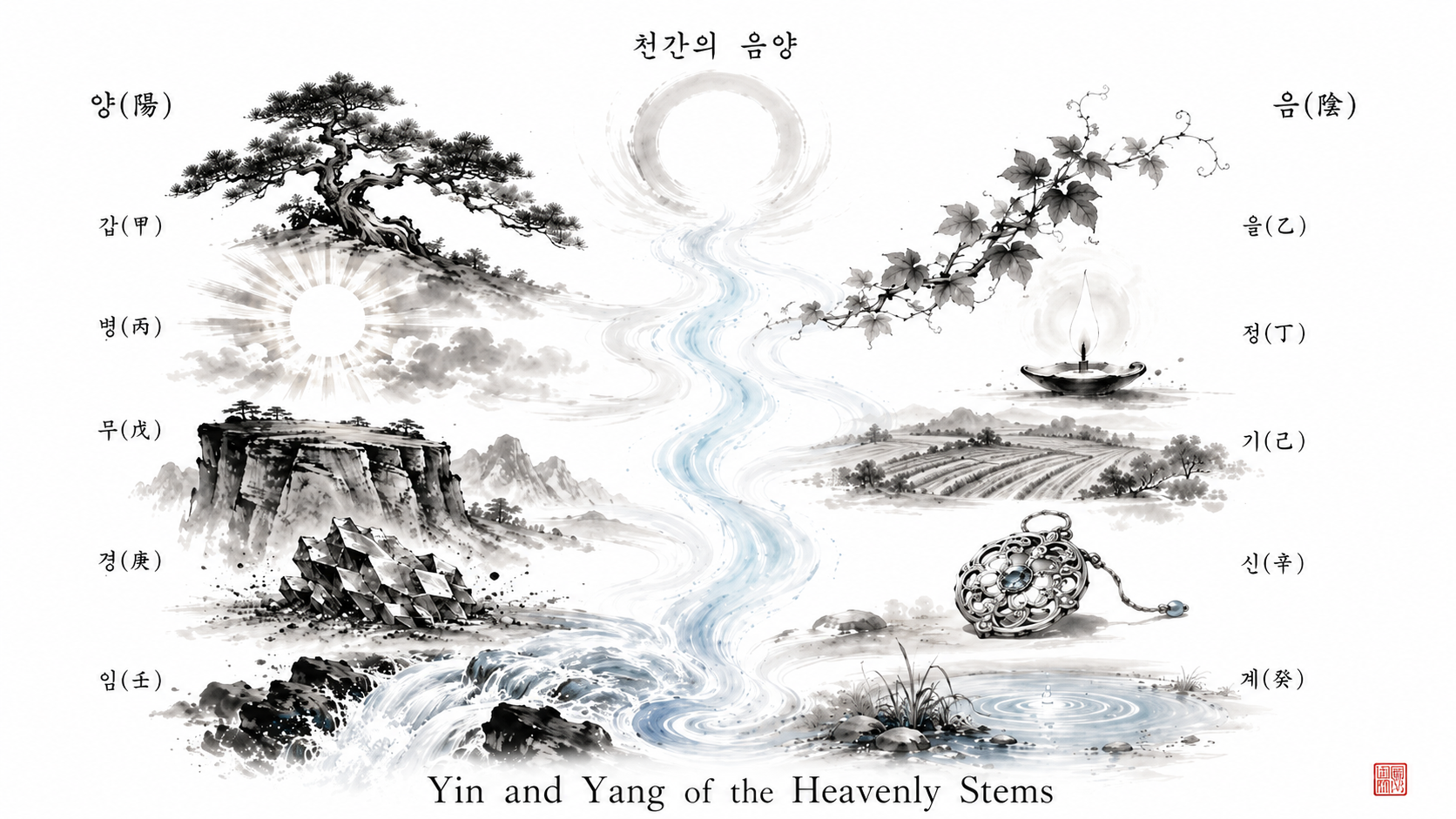
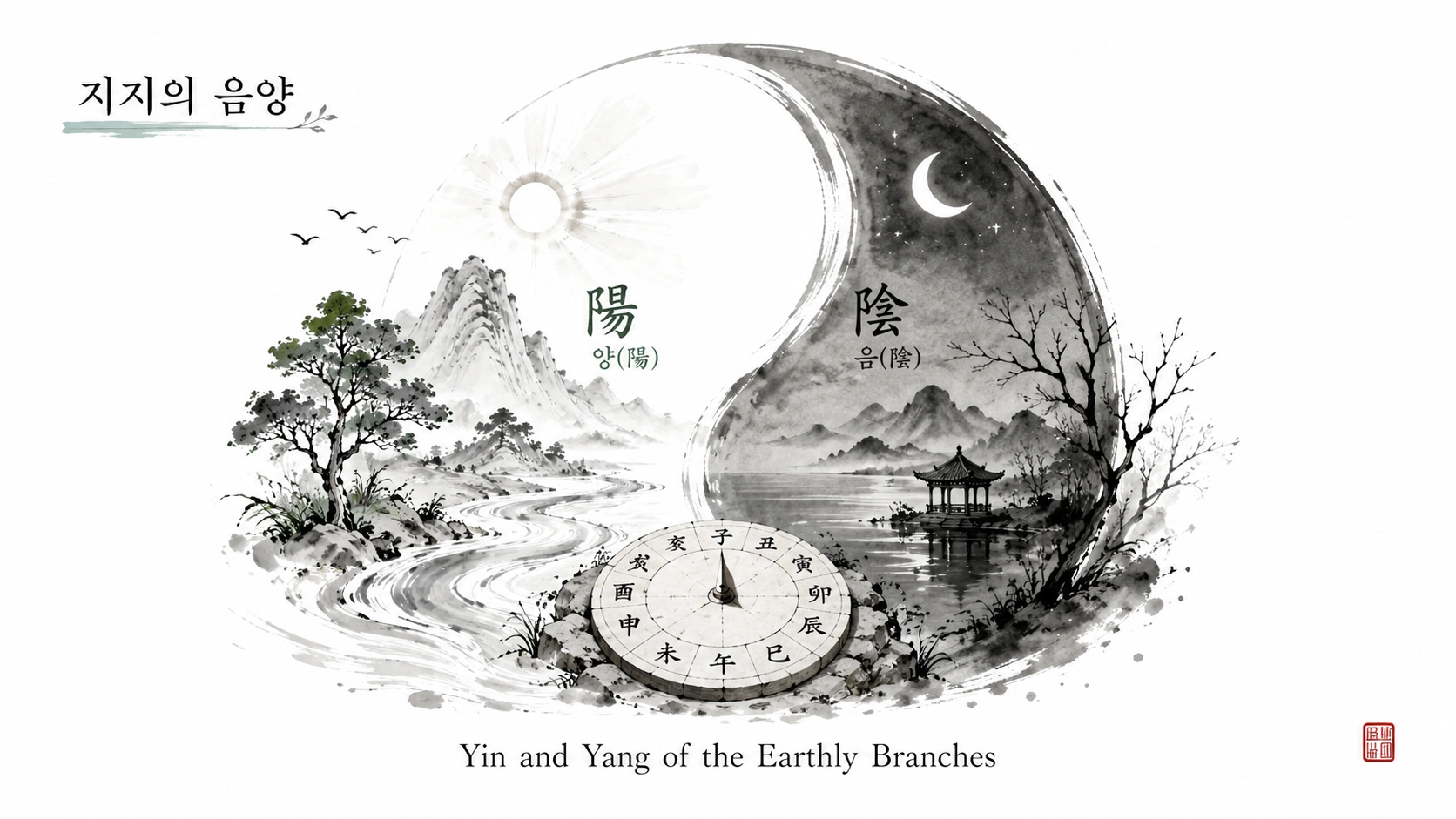
Following our discussion on the Yin and Yang of Heavenly Stems, this article delves into the Yin and Yang of Earthly Branches, another crucial component of Four Pillars theory. Understanding the Yin and Yang attributes of each Earthly Branch is essential for grasping its unique energy and characteristics, moving beyond mere memorization. This knowledge will provide a clearer insight into the balance and interplay of Yin and Yang within a Four Pillars theory chart.
Yin and Yang represent two energies that are both opposing and complementary. In Four Pillars, they are a fundamental tool for explaining the intrinsic nature of all beings. The Earthly Branches are no exception to this principle of Yin and Yang, and understanding the unique Yin and Yang characteristics of each Branch is crucial.
Just as we encounter day and night, heat and cold, movement and stillness in our daily lives, the Yin and Yang of the Earthly Branches can be understood as natural phenomena. For instance, active and expansive energy can be likened to Yang, while convergent and static energy can be compared to Yin, helping to discern the characteristics of the Earthly Branches.
While the Heavenly Stems symbolize celestial energy, the Earthly Branches represent terrestrial energy. Each Earthly Branch possesses its own unique Yin and Yang, closely linked to its seasonal, temporal, and spatial characteristics. Beyond merely recognizing the characters, grasping the inherent Yin and Yang energy within them is the first step in interpreting the Earthly Branches.
The Earthly Branches are also deeply connected to the Five Elements. Even within the same element, the manifestation and characteristics differ depending on its Yin or Yang nature. For example, In, the Tiger Earthly Branch (In, the Tiger Earthly Branch), representing Yang Wood, and Myo, the Rabbit Earthly Branch (Myo, the Rabbit Earthly Branch), representing Yin Wood, both carry the energy of wood, but their dispositions and modes of operation show clear differences. Understanding these subtle distinctions is vital for a deeper reading of Four Pillars theory.
Within a Four Pillars theory chart, the Yin and Yang balance of the Earthly Branches influences an individual’s disposition, the flow of their fortune, and the potential occurrence of specific events. Imbalances, which can arise when a particular Yin or Yang energy is excessively strong or weak, provide significant clues for Four Pillars theory interpretation. However, an imbalance of Yin and Yang does not necessarily imply negativity; it can also represent unique characteristics and potential.
Many beginners tend to dichotomize Yin and Yang into “good” and “bad.” However, Yin and Yang are not concepts of superiority but rather complementary attributes. When understanding the Yin and Yang of the Earthly Branches, it is crucial to focus on the unique role and interaction of each energy rather than definitively labeling a specific Yin or Yang as positive or negative.
So far, we have explored the Yin and Yang of both Heavenly Stems and Earthly Branches. It is now important to move beyond the individual characteristics of Yin and Yang and understand how they balance and interact within an entire Four Pillars theory chart. The next article will delve deeper into the topic of “Yin and Yang Balance in Four Pillars theory”, explaining how to identify and interpret the harmony of Yin and Yang in an actual Four Pillars theory chart.