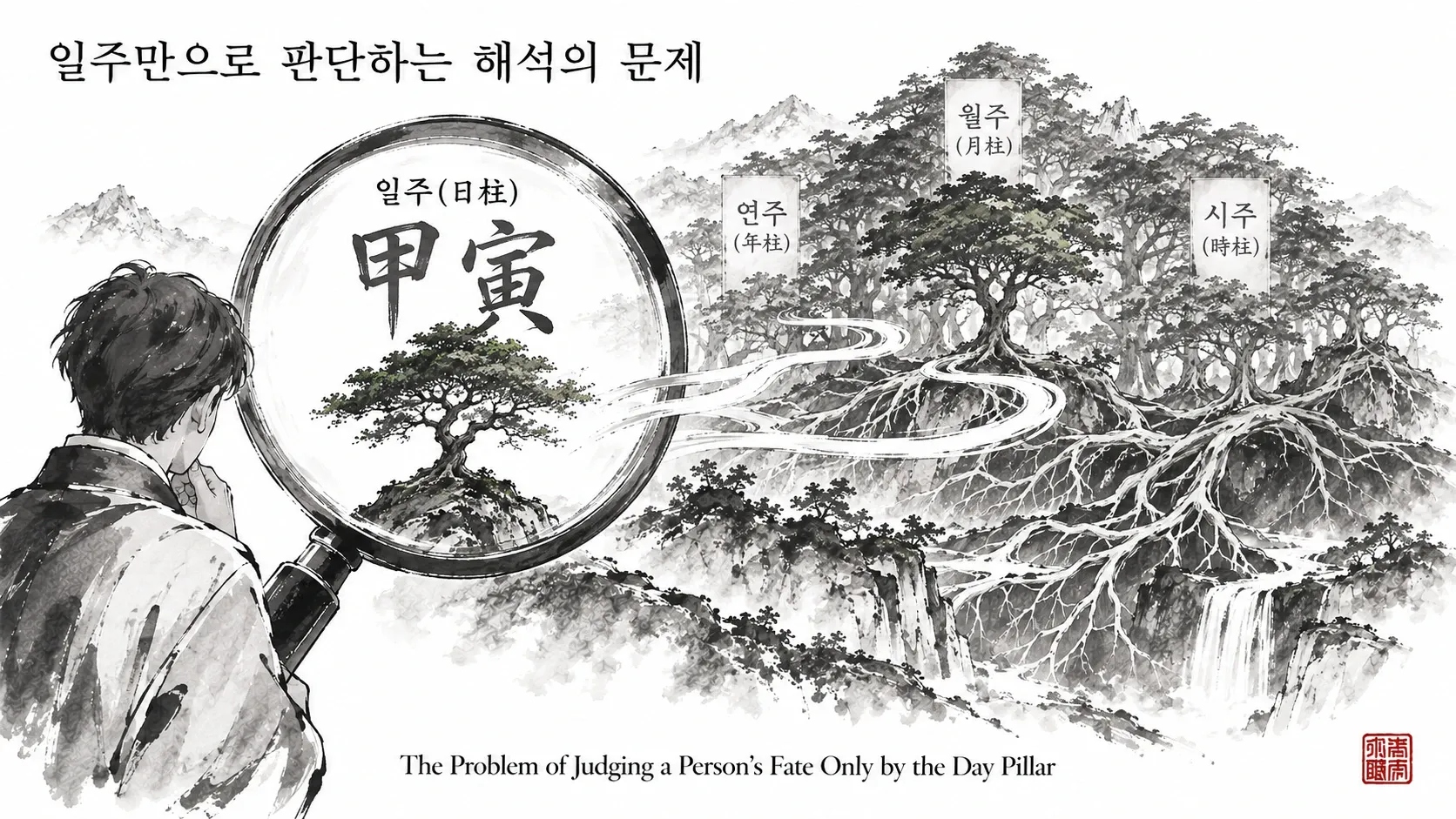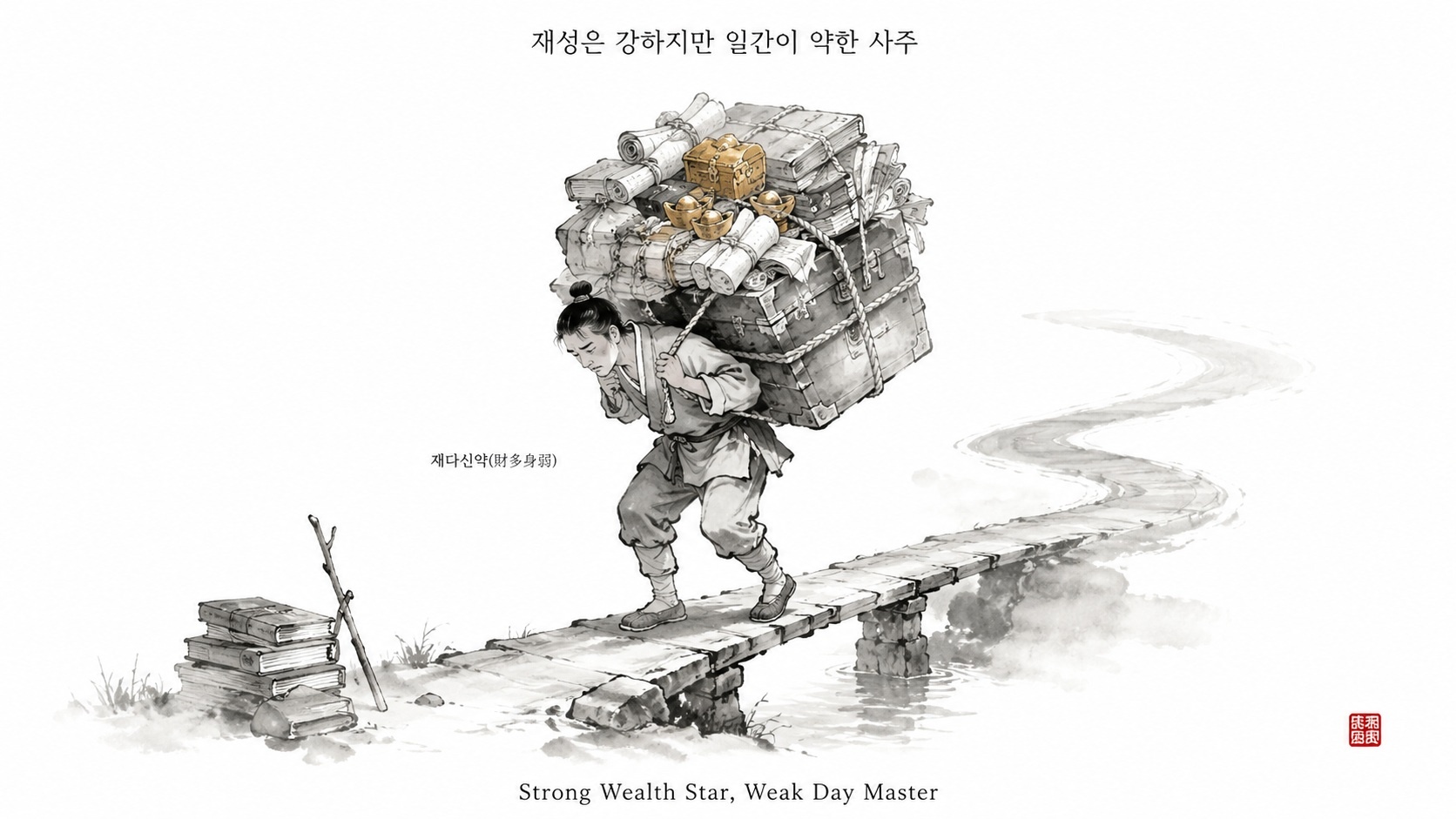
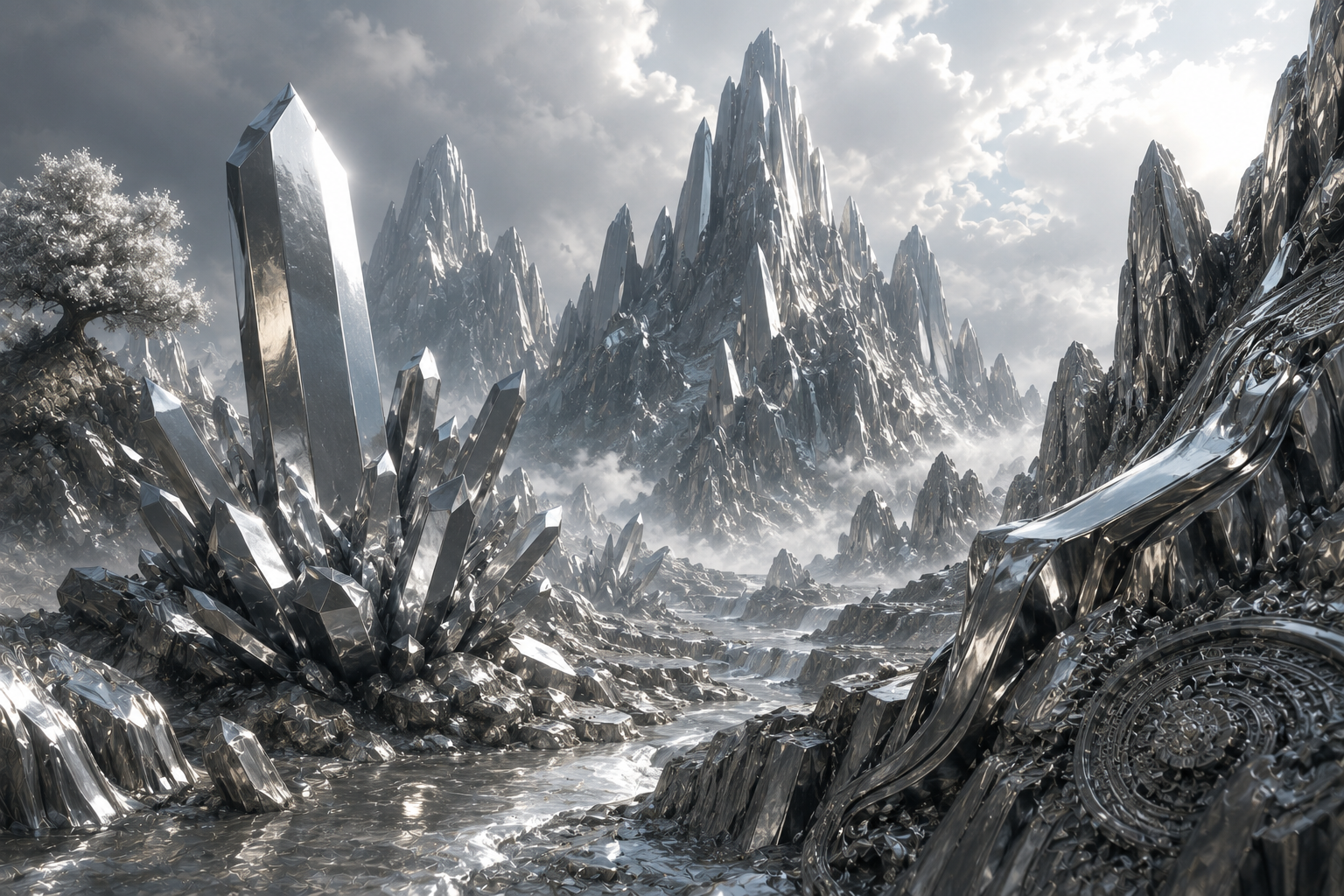
This case study explores a hypothetical scenario where the Metal element element is excessively strong within a Four Pillars chart. We will examine the structural characteristics and interpretational considerations that arise from such an imbalance. The goal is to understand how an overabundance of a specific element affects the overall balance of the Four Pillars and how it might be understood and addressed, emphasizing the importance of looking beyond superficial judgments to the complex interplay of the Five Elements.
In this installment, we consider a hypothetical Four Pillars chart where the Metal element element is excessively prominent. This goes beyond simply having a high number of Metal elements; it signifies a powerful Metal energy deeply rooted in the monthly branch (월지) or other earthly branches (지지), and also manifesting in the heavenly stems (천간), thus dominating the overall Four Pillars structure. Through this hypothetical chart, we aim to understand the implications of an excessive Metal element for Four Pillars interpretation.
A Four Pillars chart with an excessive amount of Metal indicates a state where its energy is overwhelmingly stronger than that of other elements. Metal, often associated with `suksalljigi` (the energy of severe autumn), symbolizes decisiveness, loyalty, integrity, and the power to initiate change. However, if this Metal energy is excessive, it can lead to a lack of flexibility or a strong tendency to control in the Five Elements other elements, disrupting overall harmony. This imbalance is particularly pronounced if the Wood element element is weak, making the `geumgeukmok` (Metal controls Wood) interaction even more prominent.
When interpreting a Four Pillars chart with an excess of Metal, one must first consider that the positive attributes of the Metal element, such as strong drive, a sense of justice, and adherence to principles, can be amplified. Simultaneously, there’s a possibility that these traits might become excessive, leading to inflexibility or difficulty in accepting others’ opinions. It’s akin to a well-forged sword: while sharp and useful, if it becomes too sharp, it can be difficult to handle and may cause harm to its surroundings. Therefore, it is crucial to comprehensively assess the presence and strength of other elements within the Four Pillars chart, especially those that can drain (설기, `seolgi`) or refine (제련, `jeryeon`) the Metal energy.
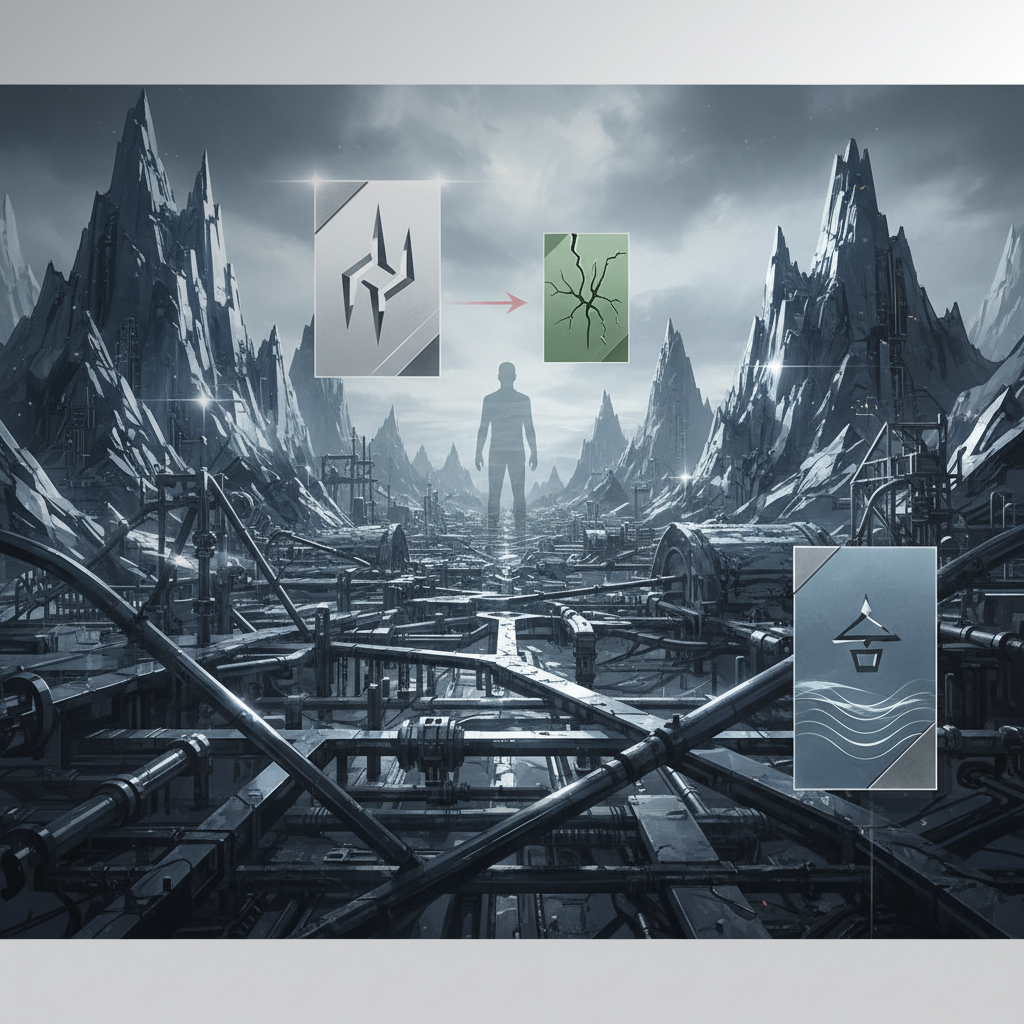
In a Four Pillars chart with excessively strong Metal, it is crucial to appropriately regulate and balance its energy. If the Water element element is present, which can drain (설기, `seolgi`) the strong Metal energy and allow it to flow smoothly, it can soften Metal’s sharpness and add wisdom. Furthermore, if the Fire element element is appropriately present to refine (제련, `jeryeon`) Metal into a useful tool, it can channel the strong Metal energy in a constructive direction. Conversely, if the Wood element element, which is easily controlled by Metal, is too weak, then strengthening the Wood element should also be considered.
In a Four Pillars chart, the strength of a particular element does not directly determine an individual’s personality or destiny. A Four Pillars is formed by the complex interplay of various factors, and even strong Metal energy can manifest in diverse ways depending on how it is expressed and regulated. For example, a person with strong Metal energy might achieve great success in a specific field due to their excellent concentration and drive, or they might sometimes be perceived as stubborn or inflexible. What is important is to recognize this energy, utilize it positively in one’s life, and strive to compensate for any shortcomings.
Interpreting a Four Pillars is a profound study that cannot be concluded merely by the strength or weakness of a particular element. It would be an error to definitively state that an excessive amount of Metal automatically leads to specific personality traits, professions, or health issues. This is because countless variables exist, such as the position of each element, the `saenggeukjehwa` (interactions of generating, controlling, regulating, and transforming) relationships between elements, and the flow of `daeun` (grand luck cycles) and `seun` (annual luck cycles). Therefore, while hypothetical cases can serve as a learning tool to understand the characteristics and interactions of the Five Elements, one must maintain a cautious and open-minded attitude when assessing real individuals.
In the next installment, we will delve deeper into Four Pillars structures where Metal is strong and Wood is weak, exploring other manifestations of elemental imbalance and methods for their interpretation.